How to Choose a Tuition Centre or Online Tutor
Staring at a dozen search results and unsure how to choose a tuition centre without wasting months on the wrong one? Most parents feel stuck comparing flashy websites with no real way to tell which option actually delivers results.
The honest answer is that the right choice rarely depends on location or marketing. It depends on tutor qualifications, class size, and whether the teaching style genuinely fits your child’s learning needs.
This guide walks through exactly what to check before committing, compares tuition centres with online tutoring, and gives you a practical checklist so learning how to choose a tuition centre stops feeling like guesswork.
What to Actually Look for Before Booking
Searching for a tuition centre usually returns results ranked by advertising spend, not actual teaching quality. This makes it easy to confuse a well marketed centre with a genuinely effective one.
The strongest indicator of quality has little to do with a centre’s location. It comes down to who is actually teaching your child and how they are teaching them.
Tutor Qualifications Matter More Than Location
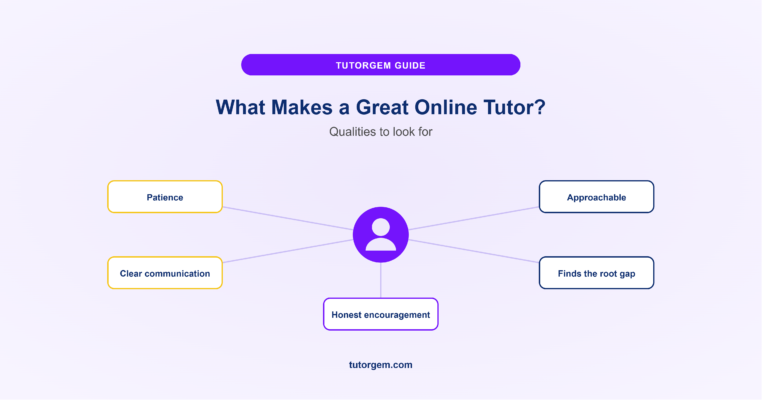
Tutors with real classroom experience or formal teaching backgrounds consistently explain concepts more clearly than those without any structured training. Ask directly about subject expertise, since a tutor confident in one subject rarely delivers the same quality across unrelated topics.
Checking whether a tutor has curriculum specific experience, whether that means GCSE, A-level, IB, or IGCSE, prevents the common mismatch between a generally good tutor and one who actually understands your child’s exact exam board.
How to Choose a Tuition Centre vs an Online Tutor
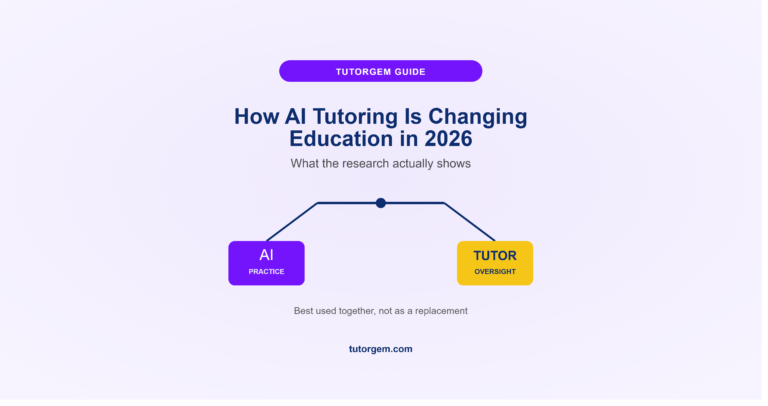
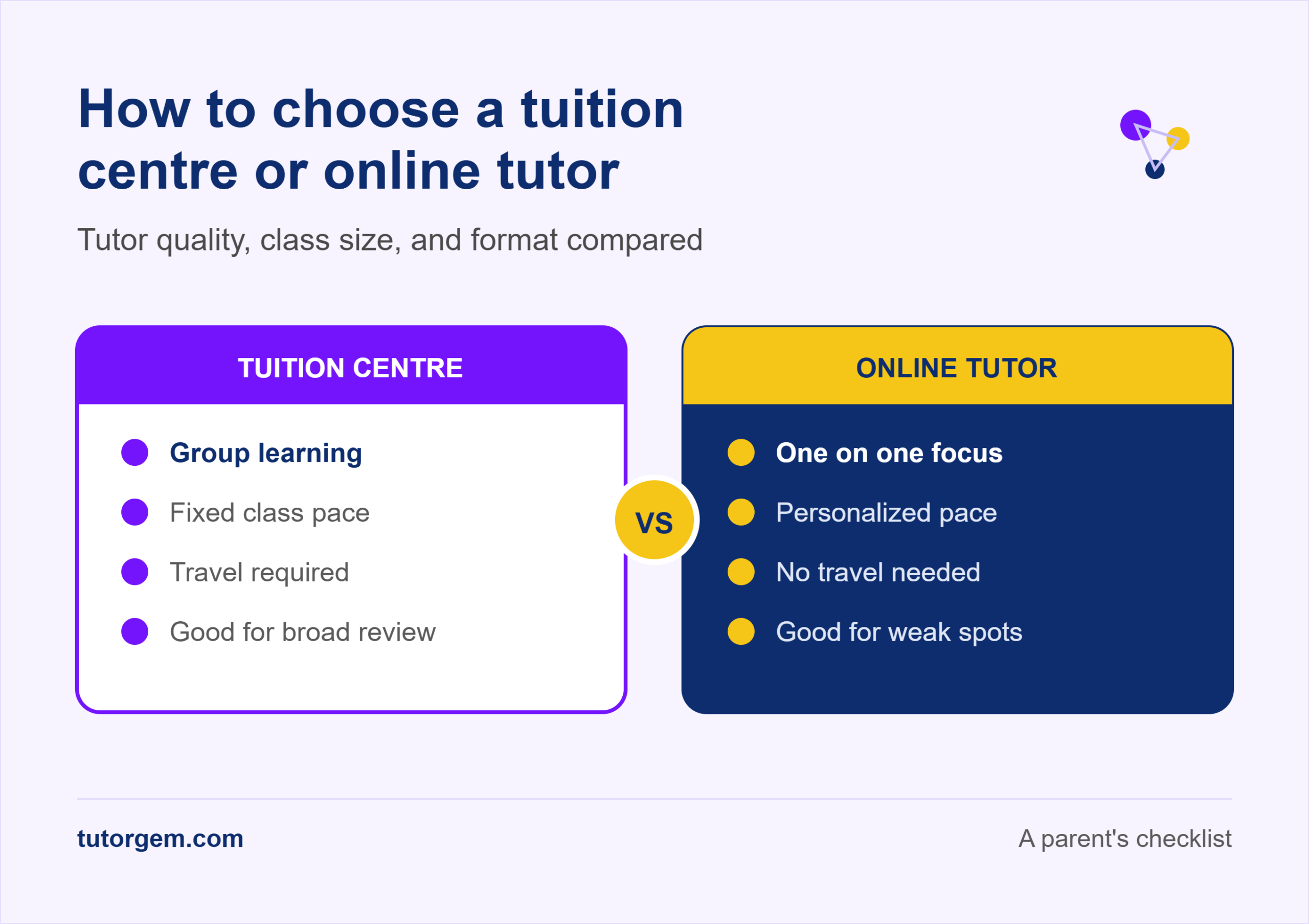
Both formats can work well, though each suits different learning styles and academic goals. A tuition centre offers structured group learning, while an online tutor offers personalized, one on one pacing regardless of where you live.
Group Class Size and Individual Attention
Large tuition centre classrooms often mean less individual support, since a single tutor managing many students cannot address every student’s specific gaps in real time. Smaller batches, generally under fifteen students, tend to offer noticeably better outcomes because tutors can actually notice when someone is struggling.
Students needing broad reinforcement across a full syllabus often do well in this group setting, while students targeting specific weak topics usually progress faster with individual attention instead.
Home Tuition and Convenience
Home tuition and having teachers come to your house removes travel time entirely, which matters significantly for busy families juggling multiple children’s schedules. Online tutoring offers this same convenience while also opening access to specialist tutors regardless of your city or region.
This flexibility explains why online tutoring has grown steadily as an alternative to a traditional tuition centre, particularly for families needing subject specialists in less common areas like organic chemistry or IB higher level content.
Why So Many Families Now Choose Tutoring Support
Tutoring participation has grown substantially across multiple regions over the past decade, driven by increasingly competitive exam standards and larger classroom sizes in mainstream schooling.
What the Data Shows
According to research cited by the Sutton Trust, roughly 30 percent of young people aged 11 to 16 in England have received private tutoring, a figure that rises to 46 percent in London specifically. Regional surveys in other major education markets show even higher participation, with over 70 percent of parents in some South Asian and Southeast Asian education systems enrolling children in some form of tuition.
This widespread adoption confirms that seeking outside academic support has become a mainstream part of how families support their children’s education rather than an exception, which is exactly why knowing how to choose a tuition centre or tutor properly matters so much.
A Real Case: Switching From a Crowded Tuition Centre
One TutorGem family had enrolled their son in a local tuition centre for two years, hoping group classes would strengthen his GCSE maths ahead of exams. Despite consistent attendance, his grades stayed flat, largely because the class of over twenty students moved at a pace that never addressed his specific gaps in algebra.
After switching to individual online tutoring, his tutor identified the exact algebra topics holding him back within the first session. Within eight weeks, his mock exam score rose from a grade 4 to a grade 6, a shift his parents attributed directly to the personalized attention he simply could not get in the larger group setting.
A Practical Checklist Before You Commit
Before booking any tuition centre or online tutor, verify their track record with students at your child’s specific academic level and exam board, since general teaching experience does not always translate across different curricula.
Questions to Ask Any Tutor or Centre
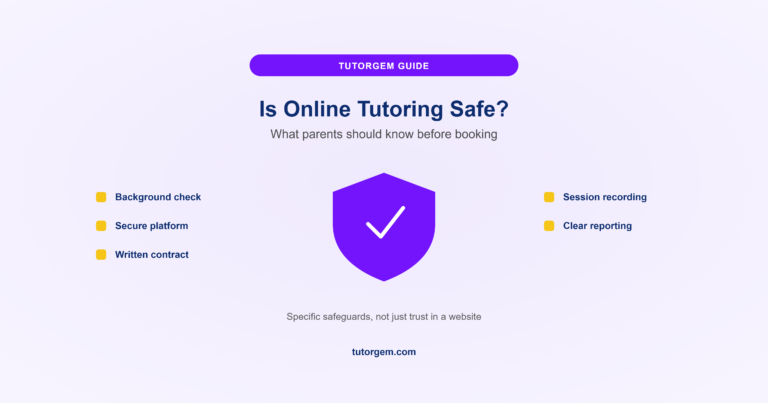
Ask how progress gets tracked and communicated back to parents, since ongoing feedback matters as much as the lessons themselves. Also confirm whether a trial session is available before committing to a longer term arrangement, as this reveals teaching style far better than any website description can.
How TutorGem Simplifies This Decision
TutorGem’s online tutoring services remove the guesswork from learning how to choose a tuition centre versus a specialist online option, since every tutor is matched based on your child’s exact curriculum, exam board, and specific weak areas before lessons even begin.
For families who prefer the personalized, individual format over group classes, TutorGem’s private tutoring connects students directly with subject specialists experienced across GCSE, A-level, IB, and IGCSE curricula, without the pace mismatch common in larger tuition settings.
Frequently Asked Questions
Is a tuition centre better than online tutoring?
Neither option is universally better. A tuition centre suits students needing broad group reinforcement, while online tutoring generally works faster for students targeting specific weak topics through individual attention.
What should I check first when learning how to choose a tuition centre?
Start with tutor qualifications and class size, since these two factors influence teaching quality far more than a centre’s location or advertising.
How do I know if home tuition or online tutoring suits my child better?
If convenience and specialist subject access matter most, online tutoring usually wins. If your child prefers face to face interaction from a familiar setting, home tuition may feel more comfortable.
Should I request a trial session before committing to a tutor?
Yes. A trial session reveals teaching style and fit far more accurately than reviews or marketing material, and most reputable tutors and centres offer this option.
How many students are ideal in a tuition centre classroom?
Class sizes under fifteen students generally allow tutors to notice individual struggles early, while larger classes often mean less personalized support per student.
Knowing how to choose a tuition centre or online tutor should come down to your child’s specific needs, not which option looks best in a quick search. If group classes have not moved the needle for your child’s grades, a personalized approach built around their exact gaps might be the shift that finally works. TutorGem’s experienced tutors can assess your child’s current level this week and build a plan suited to exactly how they learn best.