The Best Free Study Apps for Students Learning at Home
A phone full of study apps. Barely opened once this month. This happens to more students than admit it.
The honest answer is that free study apps for students only help when they match a genuine study habit, not when they sit unused after an enthusiastic download.
This guide breaks down the most useful free tools by category, shows where they genuinely help, and explains how to avoid collecting apps without ever building a real routine around them.
Why the Right App Matters More Than Having Many Apps
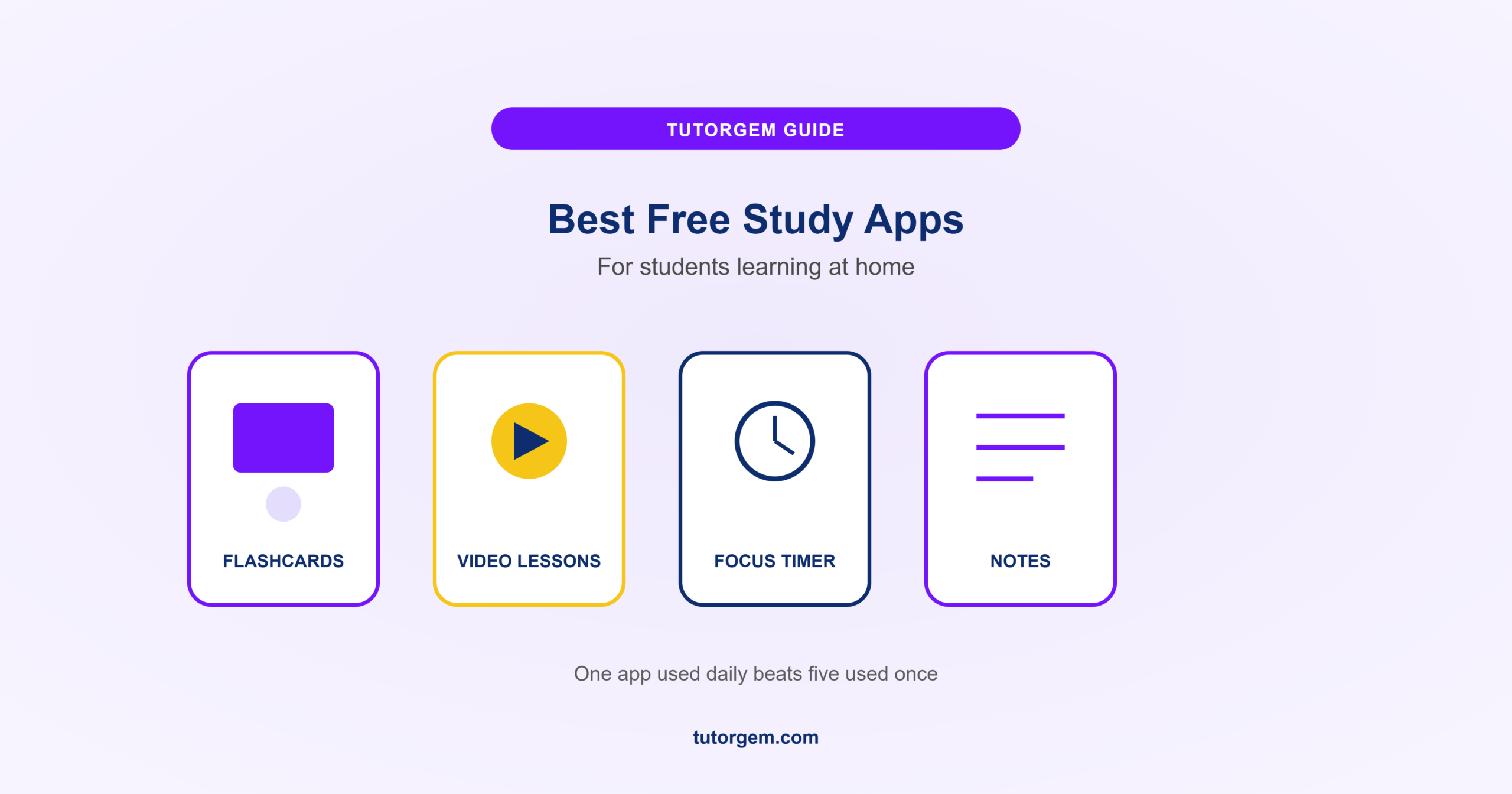
Downloading five different apps rarely beats using one consistently. Most students would benefit more from mastering a single tool than switching between several half-used ones.
What Makes a Study App Actually Useful
A genuinely useful study app supports a specific habit, like active recall or focused time blocks, rather than simply digitizing passive reading. Apps that require some effort, like creating flashcards or setting a timer, tend to build stronger habits than those offering purely passive content consumption.
Free Study Apps for Students, by Category
Different apps solve genuinely different problems, so matching the right category to your actual weak spot matters more than picking the most popular option overall.
Flashcard and Memory Apps
Digital flashcard tools support active recall directly, letting students test themselves repeatedly rather than simply rereading notes. One widely used flashcard platform is reportedly used by roughly one in three US college students, reflecting how central this simple format remains for exam preparation across subjects.
| App Category | What It Solves | Example Tool |
|---|---|---|
| Flashcards | Active recall and memory testing | Quizlet |
| Video lessons | Concept explanations at your own pace | Khan Academy |
| Note organization | Capturing and syncing notes across devices | Evernote |
| Focus and time management | Reducing distraction during study blocks | Forest or a simple timer app |
| Writing support | Catching grammar and clarity issues | Grammarly |
Video Lessons and Concept Explanations
Free video-based platforms cover core subjects with structured lessons and practice problems, letting students revisit a confusing concept as many times as needed without judgment or pressure.
Focus and Time Management Apps
Distraction remains one of the biggest barriers to effective home study. Simple timer-based apps that block notifications during set study blocks help build focused habits without requiring expensive software.
Common Mistakes When Relying on Study Apps
Even genuinely useful apps fail to help when students fall into a few predictable, avoidable patterns.
Collecting Apps Instead of Using Them Consistently
Downloading a new app whenever motivation briefly spikes creates a cluttered phone full of half-used tools rather than one consistent habit. Sticking with a single flashcard app or timer for several weeks builds far more real progress than switching tools every time novelty wears off.
A Real Case: One App, Used Properly
One TutorGem student had downloaded over a dozen study apps over several months, using each briefly before abandoning it for something new, without ever building a consistent routine around any single tool.
Her tutor helped her commit to just one flashcard app, used daily for ten minutes at a fixed time, rather than adding more tools. Within three weeks, her recall of key vocabulary and definitions improved noticeably, purely from consistent use of one tool rather than sporadic use of many.
This case reflects a pattern seen often. Free study apps for students work well, but only once genuine consistency replaces the habit of constantly searching for a new one.
How to Choose Which Apps Actually Fit Your Routine
Pick one app per genuine problem area, rather than downloading broadly across every category at once. A single flashcard app paired with a single focus timer covers most common study needs.
Questions to Ask Before Downloading Another App
Ask whether you have genuinely used your current apps consistently for at least two weeks. Ask whether a new app solves a real gap, or simply feels exciting because it is new.
How These Apps Fit Alongside Real Tutoring Support
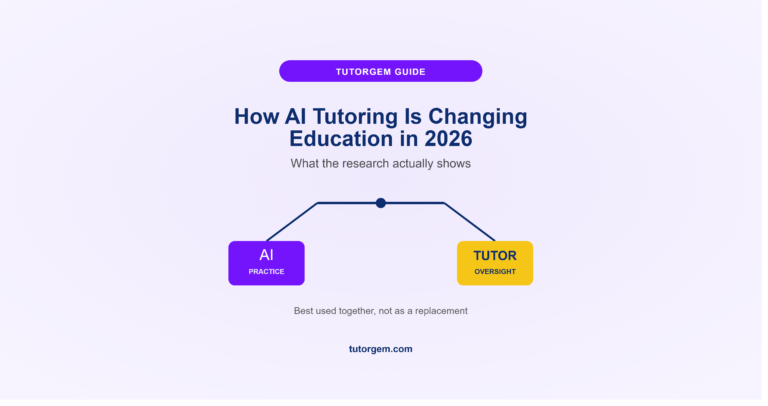
Free apps work best as a supplement to structured learning, not a replacement for it, since they cannot diagnose a student’s specific, hidden misunderstanding the way a real tutor can.
TutorGem’s online tutoring sessions include access to a free adaptive AI study tool between live lessons, combining the convenience of app-based practice with the accountability and personalized diagnosis a human tutor provides.
Frequently Asked Questions
What is the best free study app for flashcards?
Quizlet remains one of the most widely used free flashcard platforms, reportedly used by roughly one in three US college students for active recall practice.
Are free study apps as effective as paid versions?
Free versions of most major study apps cover the core functionality most students need, with paid tiers typically adding extra storage or advanced features rather than fundamentally different learning value.
How many study apps should a student actually use?
Most students benefit more from consistently using two or three well-chosen apps than from downloading many tools and using each only occasionally.
Can study apps replace a tutor entirely?
No. Apps work well for practice and reinforcement, but they cannot diagnose a specific, hidden misunderstanding the way a real tutor reviewing actual work can.
What is the biggest mistake students make with study apps?
Downloading a new app whenever motivation spikes, rather than committing consistently to one tool long enough to build a genuine habit, remains the most common mistake.
Free study apps for students genuinely help when matched to a real habit and used consistently, not when collected and abandoned repeatedly. If your app-based practice has not translated into real progress, TutorGem’s experienced tutors can identify the specific gap an app alone cannot fix, and combine it with structured, personal support.