How to Choose the Maths Tutor for Your Child?
You experience the list of tutor profiles on Google. Every one claims to be the best. But the question is how to choose a maths tutor that suits your child.
This choice feels harder than it should, since a wrong pick wastes months and money before anyone notices the mismatch.
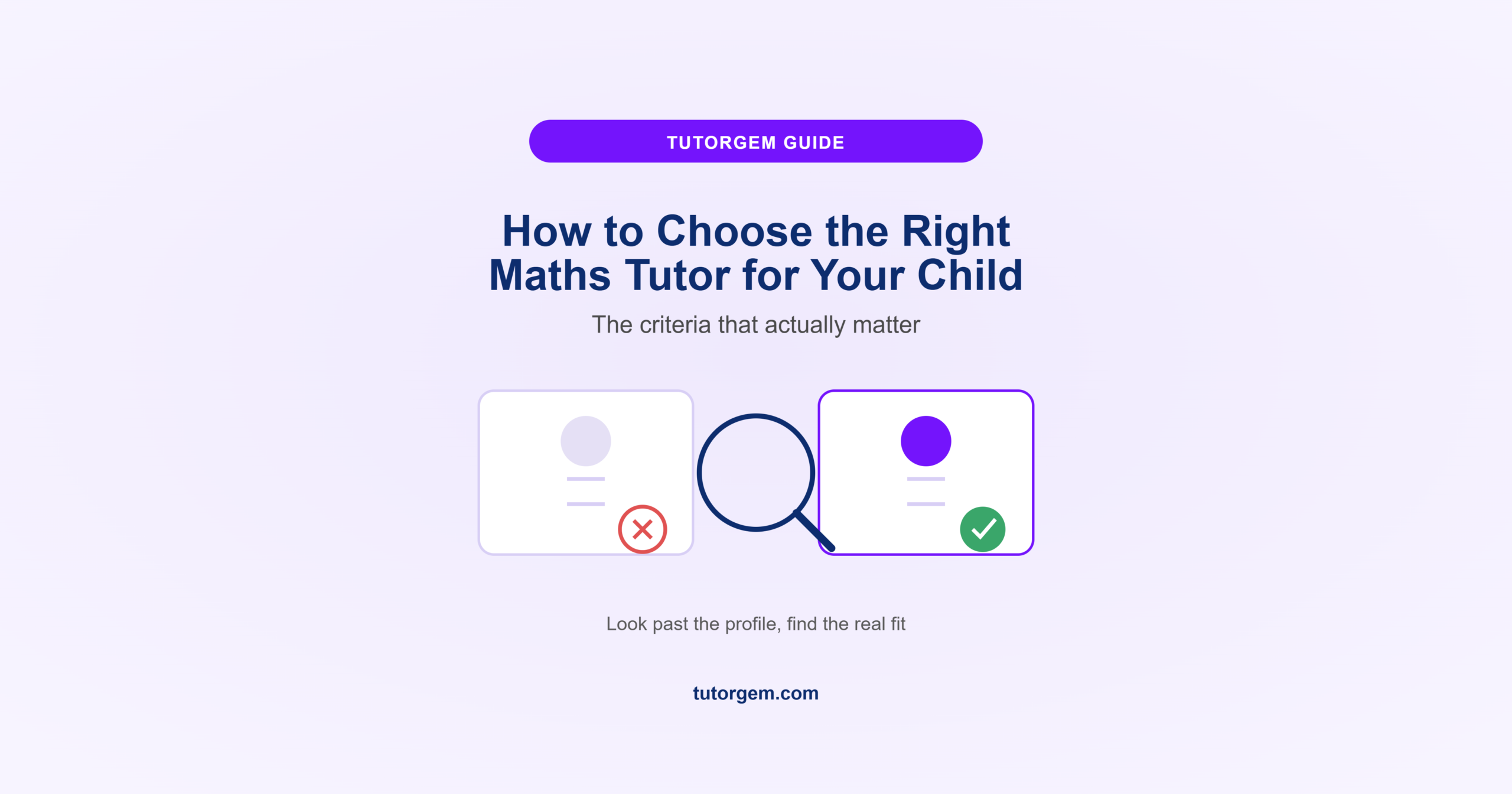
Learning how to choose a maths tutor comes down to a small set of real criteria, not the flashiest profile or the most degrees listed.
This guide walks through exactly what matters, backed by real research and a genuine parent case, so the decision stops feeling like a guess.
Why This Decision Matters More Than It Seems
A strong tutor match can turn a struggling student around within weeks. A poor match can quietly waste months while a child loses confidence alongside their grades.
What the Research Actually Shows
A meta-analysis published by the National Bureau of Economic Research found that tutoring programs produce a pooled effect size of 0.37 standard deviations on student learning outcomes, a meaningful gain across a wide range of grade levels and subjects. Researchers also confirmed that one-on-one tutoring consistently produces stronger results than group formats.
This data confirms tutoring genuinely works, but only when the match itself is right. The format and fit matter just as much as the decision to get help at all.
How to Choose a Maths Tutor: The Real Criteria
Most parents start by comparing qualifications alone. This single factor rarely predicts whether a tutor will actually connect with your specific child.
Qualifications Are Not the Whole Story
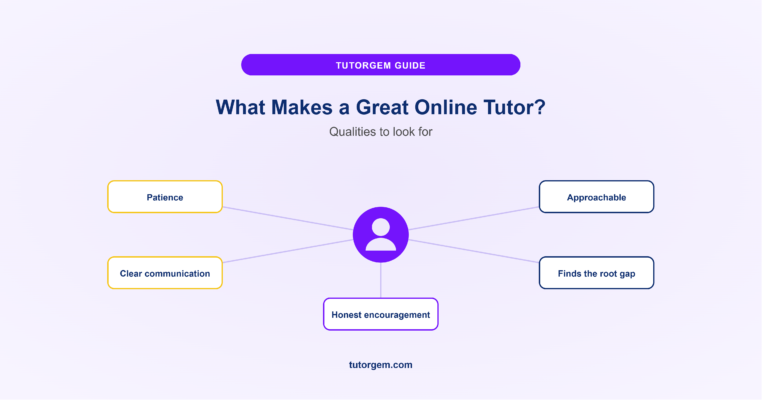
Academic achievement and teaching ability are related, but they are not the same thing. Some highly qualified tutors struggle to explain basic concepts clearly, since ideas that feel obvious to them may confuse a student encountering them for the first time.
A strong tutor anticipates common misconceptions and explains the same idea in more than one way until it clicks. This teaching skill matters more than a degree title on its own.
Match the Tutor to Your Child’s Exact Level
A calculus specialist is rarely the right fit for a struggling primary school student, even if their credentials look impressive on paper. Learning how to choose a maths tutor means matching subject depth to your child’s actual current level, not their eventual goal.
| Selection Factor | What to Look For | Common Mistake |
|---|---|---|
| Qualifications | Relevant teaching experience | Assuming degrees alone guarantee good teaching |
| Level match | Experience at your child’s exact stage | Choosing a specialist above the current need |
| Communication style | Clear, adaptable explanations | Overlooking how they explain, not just what they know |
| Consistency | Availability for regular weekly sessions | Prioritizing one impressive trial over long term fit |
| Progress tracking | Clear way to measure improvement | No plan for checking real progress over time |
Warning Signs You Picked the Wrong Tutor
Some signs appear quickly, often within the first two or three sessions, if a tutor genuinely is not the right match.
What a Trial Session Should Reveal
Ask your child one simple question after a trial session. Did you feel comfortable asking questions. A hesitant or unclear answer often reveals more than any qualification ever could.
Watch also for a tutor who cannot explain a concept in a second way when the first explanation does not land. This flexibility separates a strong tutor from one who simply repeats the same method louder.
A Real Case: Passing on the Impressive CV
One TutorGem family initially chose a maths tutor with an advanced engineering degree, assuming strong technical background guaranteed strong teaching. Their son’s confidence dropped further after a few sessions, despite the tutor’s clear subject mastery.
They switched to a tutor with a less impressive CV but strong experience specifically teaching students at their son’s exact GCSE level. His grades and confidence both improved within one term, since this tutor anticipated his specific misconceptions instead of assuming prior knowledge he did not yet have.
This case reflects the research closely. Subject expertise without teaching skill and level matching rarely produces the results parents expect.
A Simple Checklist Before You Commit
Confirm availability for consistent, weekly sessions before anything else, since research shows regular sessions over time outperform occasional or cramming based support.
Questions to Ask During a First Consultation
Ask how the tutor explains a concept your child currently struggles with, right there in the consultation. Ask how they will track and report progress over the coming weeks, not just at the final exam.
How TutorGem Matches Families With the Right Maths Tutor
TutorGem’s maths tutoring programmes start every new student with a level appropriate match, pairing your child with a tutor experienced at their exact stage rather than a generalist working across every level at once.
If the first match does not feel right, TutorGem rematches your child with a different tutor at no extra cost, since the right fit matters more than sticking with an initial choice out of convenience.
Frequently Asked Questions
Is a more qualified maths tutor always better for my child?
Not necessarily. Teaching ability and level matching often matter more than qualifications alone, since a highly qualified tutor without strong communication skills may struggle to connect with a specific student.
How can I tell if a maths tutor is a good match after one session?
Ask your child directly whether they felt comfortable asking questions. This simple response often reveals more than the tutor’s credentials or teaching history.
Should I choose a tutor who specializes above my child’s current level?
No. Matching a tutor to your child’s exact current stage produces better results than choosing a specialist working well above their present ability.
How long should I wait before deciding if a maths tutor is working?
Most families see gradual improvement over eight to ten weeks of consistent sessions, so give a genuine trial period before judging results.
What should I do if the first maths tutor is not the right fit?
Switch tutors without hesitation. A mismatch rarely improves with time, and most reputable tutoring services allow a rematch without extra cost or delay.
Learning how to choose a maths tutor properly saves months of wasted time and protects your child’s confidence along the way. If a previous tutor has not produced real progress, TutorGem can match your child with a level appropriate specialist this week and track genuine improvement from the very first session.